For a couple of years now, I’ve been whittling down my alcohol consumption. And it’s been a tough slog. Tougher than I expected for a variety of reasons. A glass of wine or two in the evenings had become a good friend, one I enjoyed and didn’t want to say goodbye to. But also, our culture makes it challenging to step away, since drinking is such a big part of life here in Canada. But over the past few years, I’ve managed to finally break alcohol’s hold on my life and to find healthier and good-tasting alternatives.
Let’s start at the beginning so you can understand the scope of this task. If this is something you are trying to do or have been thinking about, I hope you find this blog helpful.
I’ve always been healthy, thank God. And I come from strong genes. But as I came up to my 50th year, I was determined to take better care of my health.
For me, this meant going for a massage, going to the chiropractor and leaving work at work. In terms of diet, I’m already very healthy. I’m gluten-free (not by choice because anyone who gives up cinnamon buns of their own free will is a serial killer), which means my diet consists mostly of whole-foods – vegetables, fruits, rice and a whole lot of protein. I eat hardly any junk food. I rarely eat out (can’t afford it). Up until a month ago, I went to the gym regularly. I had a trainer and lifted, I ran and I continued to hike with a loaded pack. When I dislocated a rib earlier this year, I had to stop doing my regular workouts but I anticipate going back at some point.
There wasn’t much more I could improve on. Except for the wine. Truthfully, drinking was the final frontier.
But to be honest, I really didn’t want to give it up. That was the first challenge.
Back in 2024 and 2025, I had been keeping track on the calendar of how many days in a month I didn’t drink and I was getting between 50% and 65% of days alcohol-free. To me, this was considered a success. But it was still interesting – and frustrating – how challenging those alcohol-free evenings were. It had been a decades-long habit that was proving very hard to break. Every evening I would have to use the same level of willpower to NOT drink as I would to force myself to the gym after an exhausting day of work. So, not drinking certainly was not as simple as just not opening a bottle of wine. The workout my anterior cingulate cortex (the part of the brain that controls willpower) was getting was more than I had anticipated.
I would never have said that I was physically addicted to it. The nights I didn’t drink, I slept better, I woke up more rested, I overall generally felt better. And as the alcohol-free nights became more common, I noticed that it wasn’t my physical body that was craving a glass of wine at the end of a tough day. It was my mind.
It was this idea that after a tough day, one goes home and has a glass of wine. After a good day, one celebrates with a glass of wine. When seeing friends, one shares a bottle of wine. When you’re at the cottage and it’s a hot day, enjoy a cold beer. Sitting around a campfire, have a drink. Rainy day and you can’t do anything? Relax with a book and a glass of wine. So it was tough NOT to have a drink because almost every day of life can fit into some category of drinking day. You know that saying, “I only drink on days that end in -y”? Yeah, it was a bit like that.
In the summer of 2025, in the year I focused on me and my health, I went to the doctor and talked about my anxiety. I was prescribed Buspirone. The side effects were brutal to begin with but they mellowed out eventually. But it’s a terrible mix with alcohol. A perfect opportunity to quit altogether. And it was still hard because I still wanted to partake in all the situations that alcohol seemed to be a part of and it felt almost unnatural to go out for dinner and NOT get a drink. It was a very surprising realization. I was beginning to wonder if it was even possible to enjoy life without alcohol.
I know what you’re thinking…that’s the sign of an alcoholic. I’m not going to argue with you; it was a little unnerving to realize that I had been imbibing for so long that it now felt utterly foreign to go days with no alcohol. Maybe the fact that it was imposed on me instead of a choice also created an emotional resistance to the idea of living a dry life.
After a few months, I weaned myself off of the meds due to the other side effects that were unmanageable in the end (nausea and fogginess). And the first thing I felt, was relief. Yes, of not having the burden of medication anymore but mostly because I could go back to drinking a few times a week. It felt like less mental work to monitor my drinking and manage the guilt when I drank too much than it was not to drink. Maybe because it was just a more familiar mental load.
I was doing fine until work became tough. Like, really tough. And while things have calmed down now, for those first few months (September until pretty much Christmas break), the stress was higher than usual. Higher than it had been in years actually. And guess what…wine became my go-to stress reliever again. And this time, while I wasn’t drinking every day, I was no longer monitoring how much I was drinking because as far as I was concerned, if I needed a drink after another long day filled with awful human beings, than I was damn well going to have a drink. I was in survival mode.
In January, things eased up at work, I decreased my drinking again, but then I injured myself. And it took a month to figure out what was wrong. While the docs were doing all the tests to try to diagnose what ended up being a dislocated rib, they found a fatty liver.
Excuse me? Fatty liver? WHAT. THE. FUCK. Isn’t fatty liver for people who eat highly-processed foods? Who don’t go to the gym or even walk every day? Or heavy drinkers? Oh…wait…
This took me some time to process. I realize that I must be a bit of an outlier as well. Since I’m not exactly what you’d call a heavy drinker (I believe according to a strict definition I fall into the moderate drinker category) and I am very healthy in all the other areas that cause fatty liver. But there is no doubt that my alcohol consumption played a significant part in this, even if my alcohol consumption pales in comparison to some.
But here’s the truth about alcohol. Your health due to alcohol isn’t something you can compare to others. There is no “healthier” than someone else. Alcohol in any amount is toxic for the body it goes into. This is the bottom line. And I think it’s fair to say that we all know this. But most of us make our excuses or just make sure we drink “less” and we tell ourselves we’re fine. Except it’s really not.
In order for your liver to manage alcohol sustainably, a woman should not drink more than two glasses of wine A WEEK. If you google it, as I’ve just done, many articles say one glass a day if fine. But I’ve also listened to podcasts and read articles from doctors and it’s in fact much less than that. Mostly because of what our idea of “a glass” of wine is. I’ve read that between 2.5 and 5 ounces is a safe limit. But if you really look at that amount in a glass, it will look quite literally like a mouthful. If you are someone who can spend hours by the water at a cottage, around a campfire, or binging a favourite TV show, or if you have a high-stress job, a dysfunctional family or friendships, have ADHD or had a difficult childhood, you’re probably drinking a hell of a lot more than is healthy. When I see the 2.5 oz in a glass, I ask myself, “What’s the point?” I think we can all agree, that if we open a bottle, we need to drink it. And then we are over the point of healthy, whether you drink it all in one night or over three.
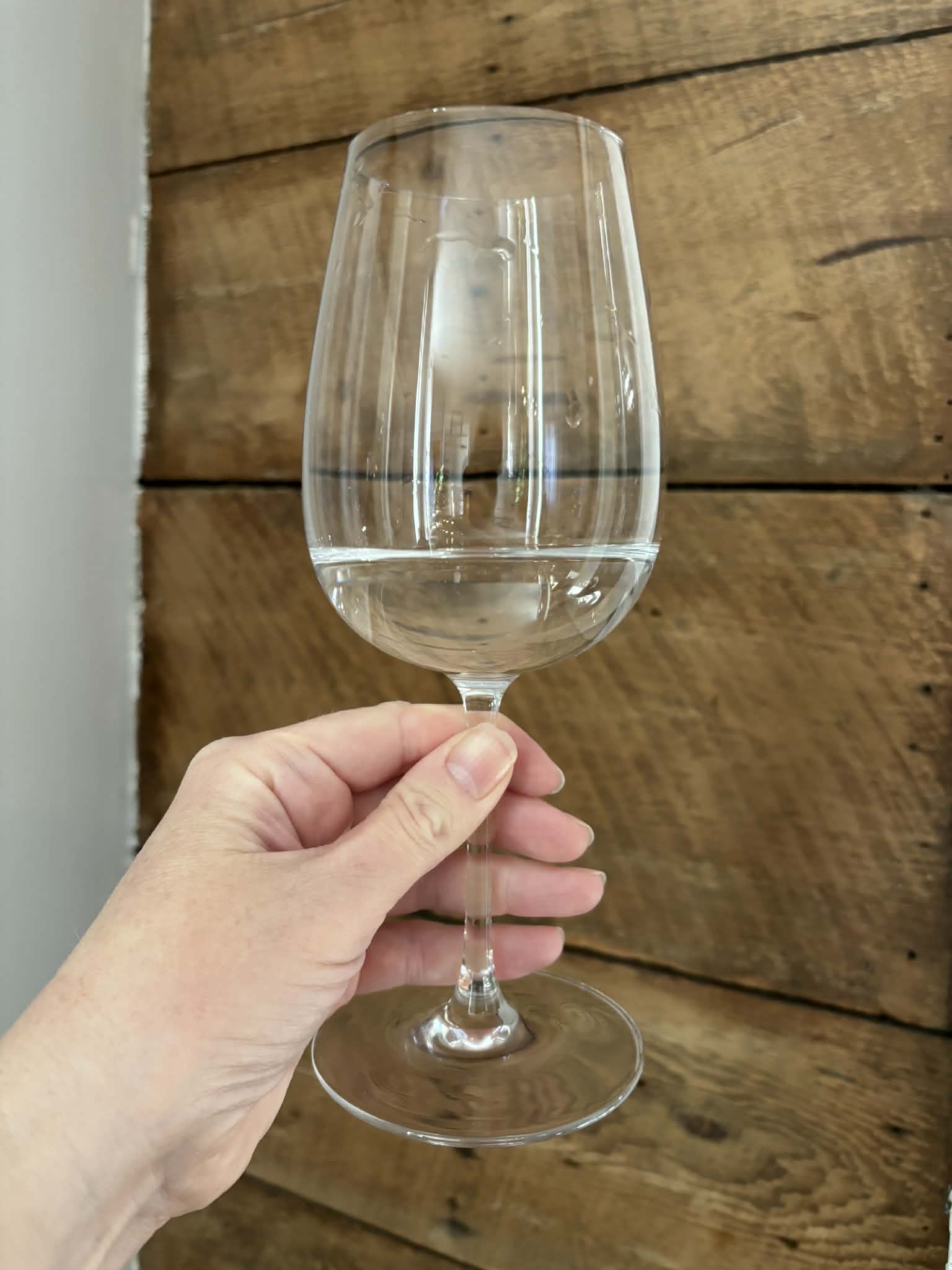
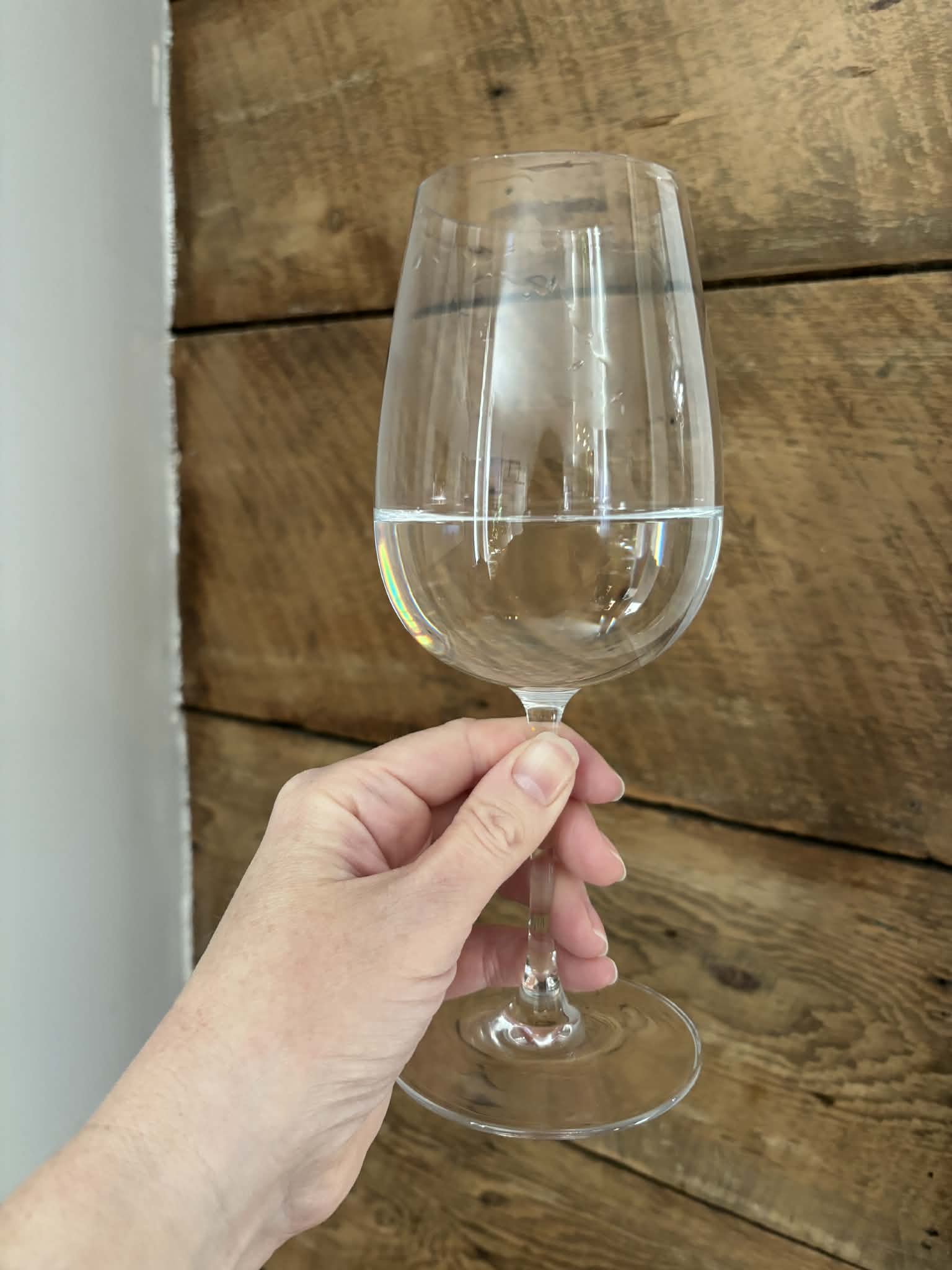
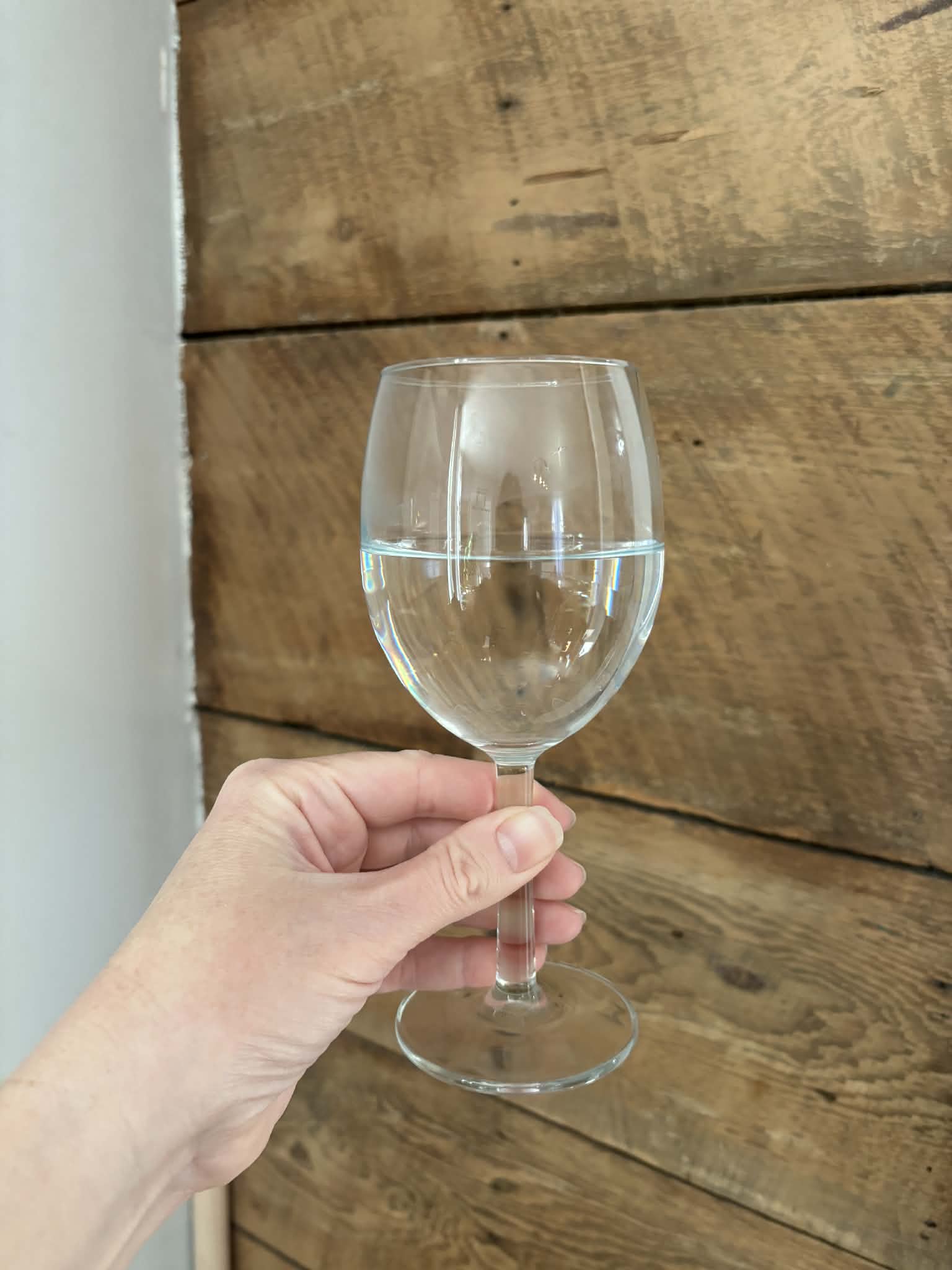
But our culture LOVES alcohol. It makes it really easy to over-drink. And once you step away from it, it becomes glaringly obvious. Every character on every TV show has a drink at some point – while making dinner, out at a restaurant, a girls’ night. And in books and songs. Is there even such a thing as a country song that doesn’t mention whiskey? There is a micro-brewery on every corner now. Festivals of beer and wine. It’s everywhere. And when you don’t partake (or can’t), it feels like you’ve become an alien looking into another world.
When I confided in some friends about the moderate fatty liver diagnosis, they non-chalantly responded with “Everyone in our generation (Gen X) probably has a fatty liver.” And this is probably true. We started drinking at a very young age and just kept going until we hit middle-age, and we realize that we’ve done a number on our bodies. But is that a reason to keep doing it?
I love my wine. But here is how I saw it. Fatty liver is something I can correct. Being in perimenopause, there is a lot about my changing body that I can’t control. But this IS something I can control. All I have to do is “simply” abstain from alcohol for at least eight weeks and I will have significant healing. At which time, I would like to go back to a glass or two over the entire weekend. Or perhaps indulge in some Bailey’s in my coffee at the cottage. But this time keep it within minimal and acceptable levels.
Simple? Yeah, right! It was anything but simple. However, healing a fatty liver takes complete abstinence, not just a decrease in consumption. While I was extremely resentful of being the healthiest person I know and still getting fatty liver, I knew I could do it. I knew I would hate it. But if you know me, I am hugely successful at conquering challenges because I’m really freakin’ stubborn. So, it was decided. I was going to win. Fuck you, fatty liver.
March 1st, 2026 was my Day 1. Bob joined me on March 10th. And life threw some curveballs at us but we stayed strong. There were some health issues in the family. One of our senior dogs went into surgery to have a suspicious lump removed and it was diagnosed as a highly aggressive cancer. There was St. Patrick’s Day – the first dry St. Patrick’s Day in decades! There were difficult days at work and beautiful days of sunny weather. And all of these days would normally be days of one or two drinks. Instead, they were dry. And honestly, the mental work that went into it was unbelievable. Looking back, it seemed like every memory is tinted with hardship because it didn’t feel natural yet. It didn’t feel normal. It was like I had to do everything with one arm tied behind my back.
But something shifted after a month. Sometime in the first week of April, I noticed that it wasn’t work anymore. Maybe I noticed that I came home and just got a sparkling water out without thinking about it or that the de-alcoholized wine that had become my go-to was actually starting to taste like real wine. Whatever it was, the extra layer of work was no longer there. This was when I knew I was winning.
Apparently, when the liver starts healing, you are supposed to start feeling better – increased energy, improved digestion, better colour, but honestly, I didn’t feel any physical change. Of course, I’m in perimenopause so I feel like shit in general. But the biggest improvement was the decrease in resentment, the decrease in mental effort it took, the money saved, and the deep sense of satisfaction that I had finally broken alcohol’s hold on me. Yes, the pride that I had for actually staying dry – not one little sip! – for eight weeks and knowing that I had the internal fortitude to make such a massive change in my life.
I was dry for eight weeks solid. Since then, I’ve had two small glasses (no more than 5oz) of red wine – one at the cottage last weekend and one small glass of wine in honour of a soul passed on, which I think is completely acceptable. This is the pace I would like to sustain. My next goal, is nothing else until the May long weekend, and then some Bailey’s in my coffee.
I think it will be interesting to see how my tastebuds and my body reacts the next time I have a full glass of wine. When I had the small glass at the cottage, I was surprised by how rich it tasted. It was a Rioja, a wine that we had over Christmas or for special occasions and I could certainly appreciate the flavours since they were like new. After only a few sips, I certainly felt it. I was quite taken aback, actually. After finishing the glass, I felt like I needed a nap. I do wonder what it will be like to have my first glass of white wine again. Will I enjoy the taste anymore? Will it taste too acidic? Will I immediately feel tipsy?
If you are wondering if I drank any substitutes, yes, I did. I had to find something to fill the void. And to this day, I will say that I haven’t found a substitute that I enjoy as much as I enjoyed my wine. I have to change up my drinks every few nights because I get bored. But I never got bored of my pinot grigio.
I have been experimenting with mocktails and non-alcoholic wines for a couple of years now, since making the decision to reduce my drinking. The younger generation of non-drinkers seems to be fueling a new market for tasty non-alcoholic drinks. This is wonderful shift in our collective way of being. Not that we need to get rid of alcohol completely but that we offer reasonable options.
First, I will say that my two go-to completely non-alcoholic beverages are lemon flavoured sparkling waters (Blue Menu from Loblaws) and ginger beer. Not ginger ALE but ginger BEER (but it’s not an alcoholic drink). If you are also watching your sugar intake, be careful with the ginger beer because it’s generally really high in sugars. There is something about the spice of the ginger that makes it a great substitute for an alcoholic drink. The ginger not only soothes the digestive system but also elevates your mood.
While wine is my go-to, I do enjoy beer. But because I find the carbonated drink so filling (and it’s more difficult to find gluten-free beers), I was more interested in finding good wine substitutes. However, last summer at a craft beer festival, I found a gluten-free non-alcoholic beer!! In fact, I found three of them! The Perth Brewery crafts three non-alcoholic and gluten-reduced beers that are delicious. My favourite is their Unleashed Amber, a rich flavour that goes perfectly on a sunny deck or around a campfire. Bob really enjoys their ipYay! IPA, also gluten-reduced and non-alcoholic. The third is Play, which is a non-alcoholic lager.
Now, let’s talk about wine. Anyone who has looked for non-alcoholic wine has most likely tried and hated the grocery story NA “wine”. Which is more like grape juice. And not at all an appropriate substitute for wine. Not even close. Those who enjoy wine but do not drink alcohol have until recently been shit out of luck when it comes to a viable replacement. But times are changing. Legit wineries are trying their hand at making acceptable substitutes. The key is to buy a “de-alcoholized” wine and NOT a non-alcoholic wine. De-alcoholized wines are real wine that has had the alcohol removed, as opposed to a beverage that is created with no alcohol intended to taste something like wine – which, I think we can all attest to – never works. The de-alcoholization allows the wine to keep its acidity and while avid wine enthusiasts will still take issue with it, as a replacement, I have found some that are quite acceptable.
That being said, I should probably also mention that you need to go into this with an open mind. None of these wines tastes perfectly like your usual alcoholic wine. But they do taste more like wine than many others I’ve tried.
Luminara Non-Alcoholic Napa Valley Red Blend was the first one I tried. It was a whopping $28. I bought it from a wide selection of non-alcoholic drinks at a shop in Arnprior that is no longer open, which is why the above link takes you to another site. It is the closest non-alcoholic wine I’ve tasted to a real red, though it is not necessarily a red I would buy. Does that make sense? I have not found any other red that is passable.
As I was discussing with the salesperson, she did mention that it was the closest she’s ever tasted to real wine. But, like all de-alcoholized or non-alcoholic drinks, you could still tell that it was different. Like I mentioned above, you need to go into the hunt for NA drinks with an open mind because none of them are going to taste exactly like the drinks you’re used to. She said to enjoy it with flavourful foods to “mask” the fact that it wasn’t the perfect wine. Basically, if you are looking for an expensive-tasting wine to go with an expensive meal, then you will be disappointed with it. However, I decided to try it at a staff potluck Christmas party, which was after work and I had to drive a considerable distance home later in the evening. And it was surprisingly good! Many of my colleagues were quite curious as to what it tasted like, and they also mentioned that it tasted really close to the real thing.
Here’s the funny part. I didn’t get tipsy. “Isn’t that the point?” you ask. Yes, of course it is. But that evening was the first time I’d found myself enjoying a few glasses of wine and watching everyone else get a bit louder, a bit wobblier, a bit more open with their words and I wasn’t. I unexpectedly found myself in a position of being the only one entirely sober, which I was not used to being, but it didn’t stop me from belting out lyrics to Zombie when it came up in karaoke or shouting at colleagues to “just rip the paper!”
Onto white wines. White wine is generally my go-to, rather than red. Luckily, I went to my local LCBO and found two very tasty de-alcoholized wines that were a great price point. The salespeople at the LCBO also say that these two are quite popular.
My favourite is Not Guilty, which is an Australian pinot grigio. I find it slightly sweeter than a real pinot grigio but definitely a nice way to enjoy wine without the alcohol. The second is Tarapaca, a Chilean sauvignon blanc, which I find sweeter but as a lovely spritzer when cut with sparkling water. These two bottles of wine are also very low calorie. This was not a concern for me, however, it was nice to know that an entire bottle of either of these de-alcoholized wines was pretty much the same number of calories as a can of pop. Cut down the alcohol AND cut down the calories – a great combo. And to make a hat trick of positives, both of these wines are only $10.95. There is also Natureo, a Muscat that I often use with the Sangria listed below to make a Sangria. But it’s too sweet for me to drink on its own.
Now that alcohol is sold in grocery stores, they also stock a nice selection of non-alcoholic drinks as well. These also taste slightly different than the real things but again, if you consider it as a nice drink to have while out, or for dinner, or on a summer day, then they are also acceptable. The brand I have most often had is Atypique. I first tried these as someone in the neighborhood was giving them away since they were non-alcoholic. I’ve tried the Ameretto Sour, Sangria and the Spritz (an aperol-style apertif). All three I cut with sparkling water as they are very sweet but all three are tasty and I find them to be a good replacement.
Now that I am on the other side of this breakup, living without alcohol feels more and more normal every day. I would highly recommend two months of complete abstinence to get yourself to this point. But I will not downplay the amount of willpower it took to get here. There is no way I would have been able to go 8 weeks dry without a medical “intervention”. Because my heart was just not in it. I am still sad sometimes that I can’t enjoy my evening glass of wine like I used to. But not enough to go back to where I was.


Stephanie, thanks for sharing your experience. Very well written, wonderfully thoughtful. I think a lot of us GenXers will see ourselves in this, right along with you. The fatty liver thing may be our generation’s Achilles tendon.
I’ve had a different relationship to alcohol – for me it was always a take it or leave it thing, but when I took it (mostly when I was younger), I would get not just tipsy but totally blasted because damn it was wild fun! A unique kind of fun that you’re not going find otherwise, but not a healthy thing – occasionally overdoing it is probably as damaging as regular consumption of more reasonable quantities.
I gave up hard liquor years ago because I didn’t like the aftermath. Then my body started shunning various forms of alcohol – even one glass of white started giving me a headache. Champagne made me ill even in small quantities. I lost my taste for beer. And these days, even my go-to good reds give me a hangover if I drink more than a small glass or two, or if I have some more than once every couple of months. Clearly, my body doesn’t want / can’t handle the toxins any more.
It feels uncomfortable to have to explain when refusing a drink, but I’ve noticed more and more people opting out for all kinds of reasons. It’s weird though, almost taboo, people are rarely unapologetic about choosing not to drink. They say it sheepishly, or apologize for not drinking. You hit the nail on the head by saying it’s deeply ingrained in our culture (someone should look into that and write a book about that angle of it, because I’ve never come across one).
I’ll always miss my favourite pinot noir with a good meal, and I’ll probably open a bottle from time to time. I won’t bother with the de-alcoholized stuff, it’s not ever going to taste like what I love in a wine. I like certain mocktails, I like mineral water with cranberry juice, and I love a good cappuccino after supper even though the Italians would say I’m a barbarian for indulging in milk in coffee after 12 p.m. And I’ll enjoy coming across a fellow teetotaler with a cheerful, “hey me too!” So let’s get together this summer and maybe I’ll try one of those non-alcoholic beers on a hot day… might be good, and it will definitely be fun!
LikeLike